Stitch Library
A stitch type explains how Ink/Stitch converts paths and shapes into embroidery. Each stitch type creates a distinct texture, thickness, and level of coverage. The selection influences the appearance of outlines, lettering, and filled areas on fabric, shaping both the visual style and the overall feel of the finished embroidery.
Stroke Stitches
Stroke stitches can be used for outlines, line art or to add small details.
Running Stitch / Bean Stitch
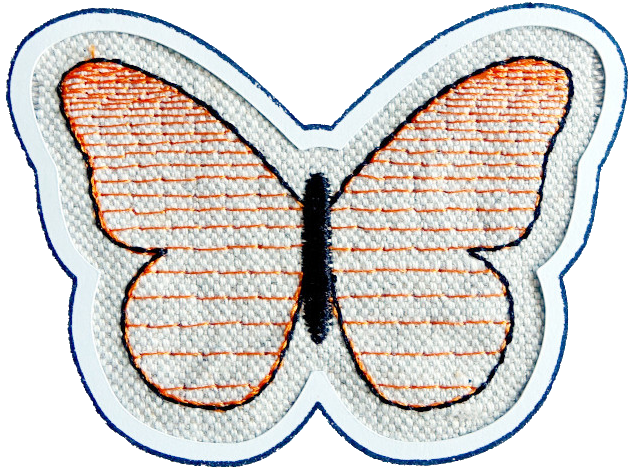
Running stitch creates small stitches that follow a line (path).
Bean stitch is a repeated running stitch which creates a thicker line.
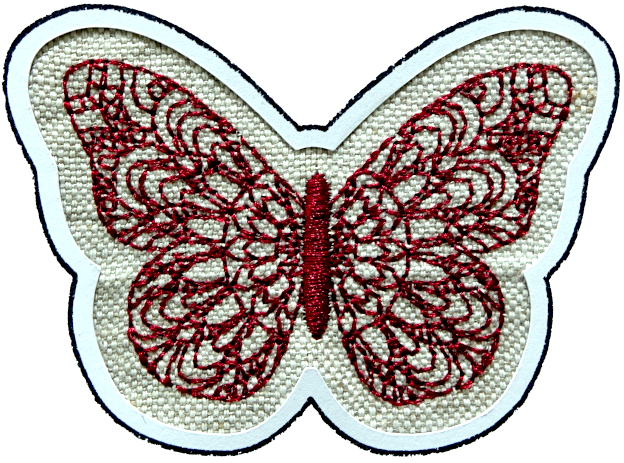
Ripple Stitch
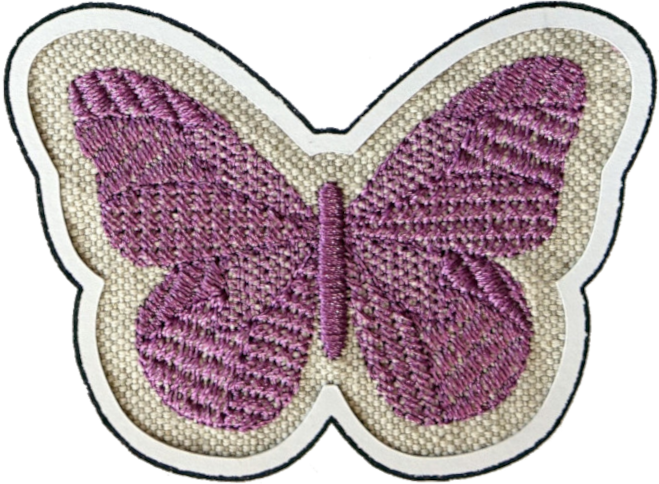
Ripple stitch creates a pattern of stitches in sprirals, rows, or grids.
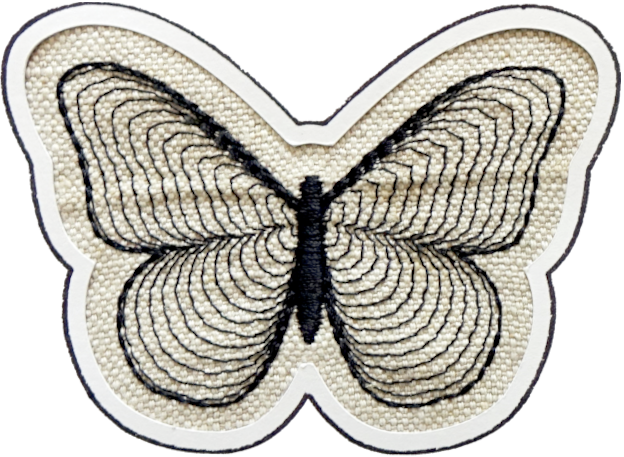
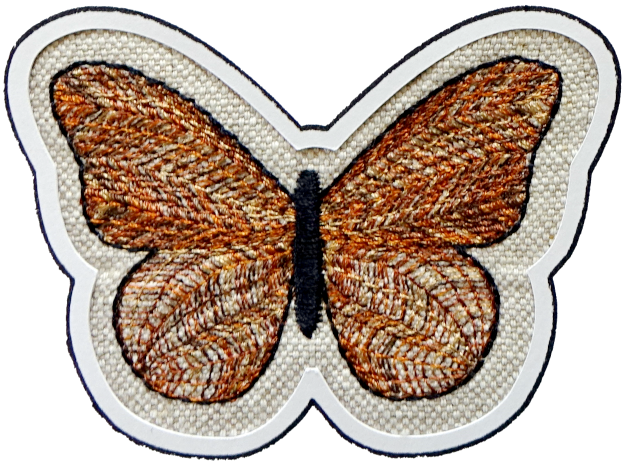
Zig-Zag Stitch
Zigzag stitch creates running stitches that stitch back and forth. It works best on straight lines, since corners and tight curves stitch poorly. For most designs, a satin column is a better choice.
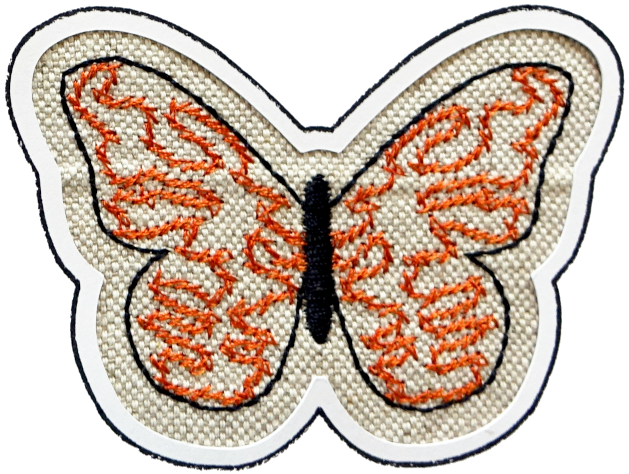
Manual Stitch
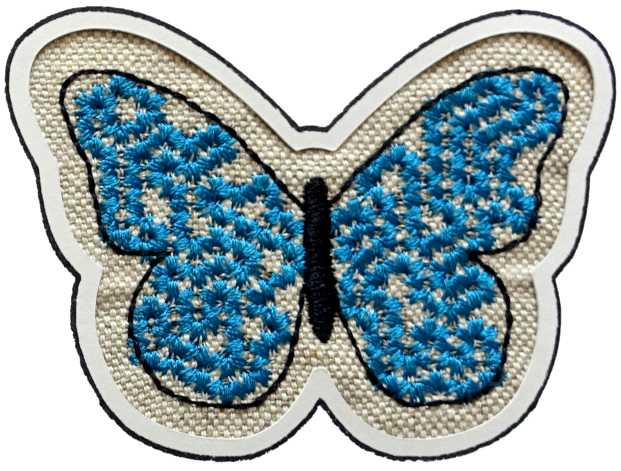
Manual stitch creates stitches using each node of a path as a needle penetration point.
Satin
Satin Column
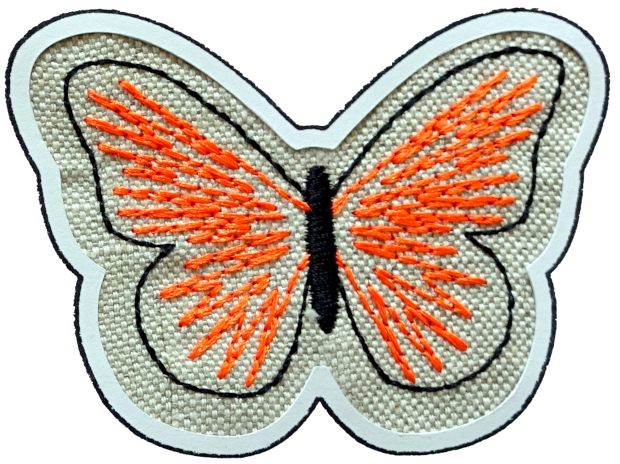
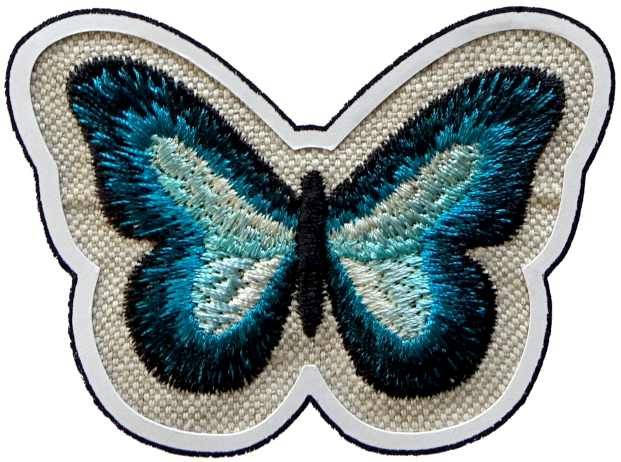
Satin stitch is used for borders, letters or small fill areas.
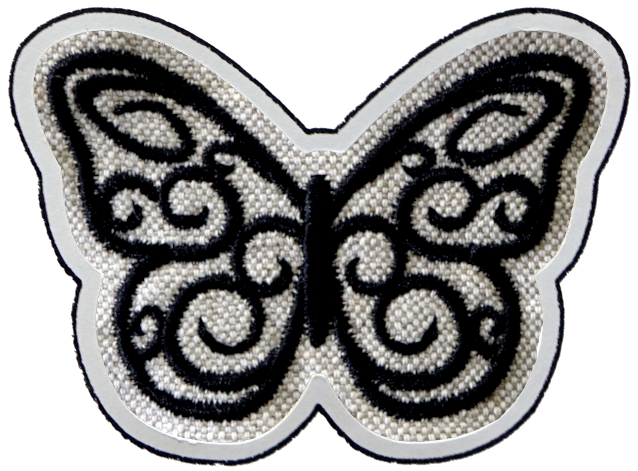
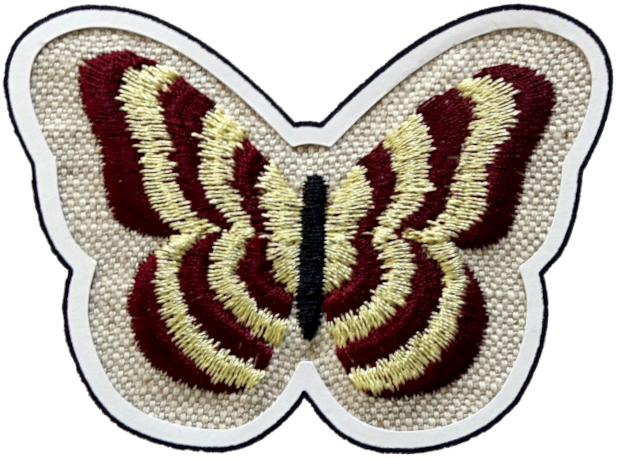
A satin column is created using a zigzag stitch between two boundary lines. The distance between those lines controls the column width, which gives you flexibility to adjust how thin or bold the stitch appears on the fabric.
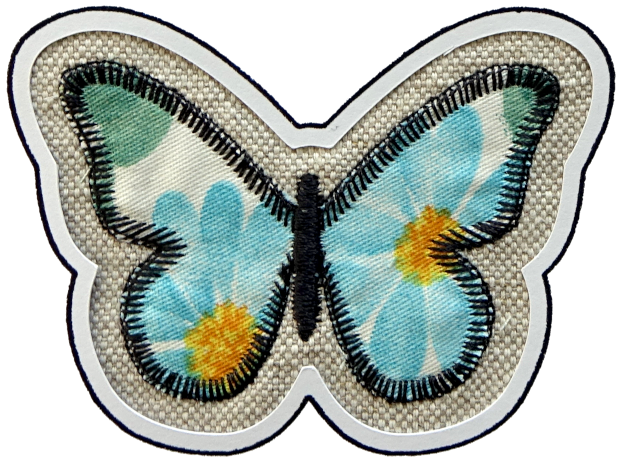
E-Stitch
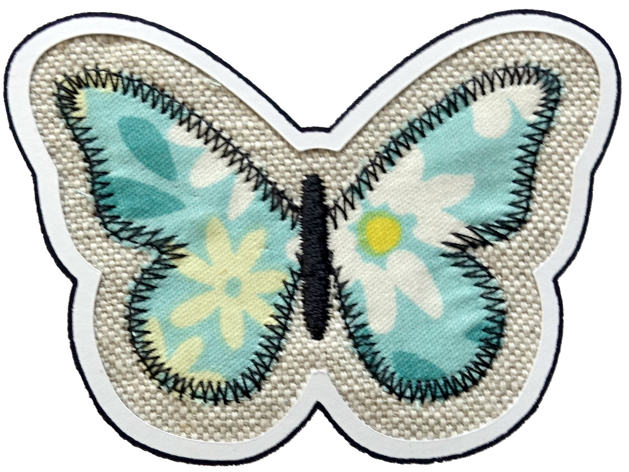
E-stitch is a simple but strong stitch used to hold appliques. Because this is not as thick of a stitch (unlike satin) it is often used for baby clothes as their skin tends to be more sensitive.
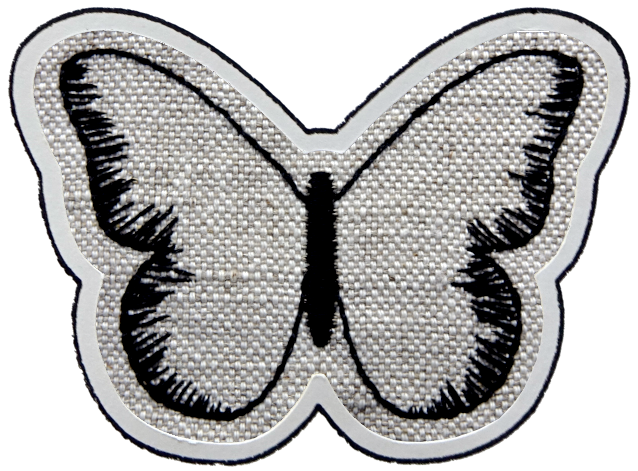
S-Stitch
S-Stitch is a satin column that looks like a curvy fill stitch.
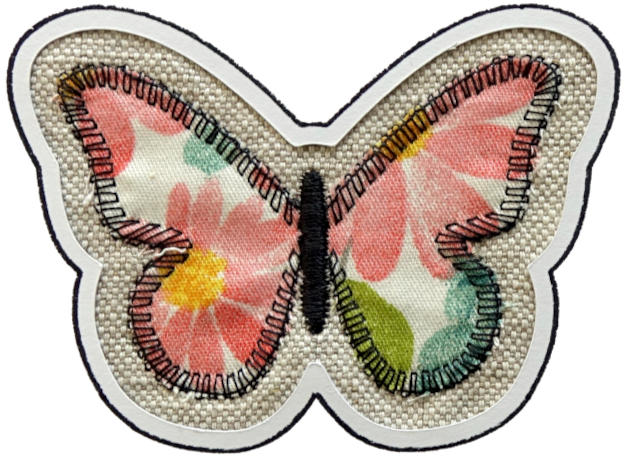
Zigzag Satin
Zigzag is a satin column that looks like a cleaner version of the zigzag stitch.
Fill
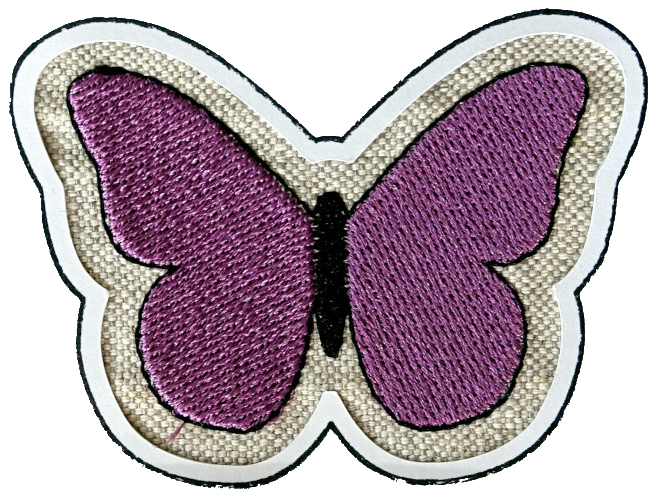
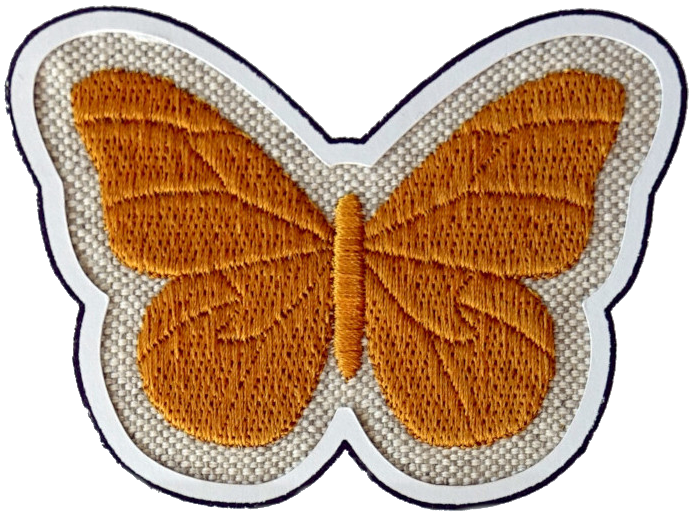
Fill stitch creates rows of stitches that cover a closed shape for solid color coverage.
Tatami Fill
Fill stitch creates rows of stitches that cover a closed shape for solid color coverage.
Circular Fill
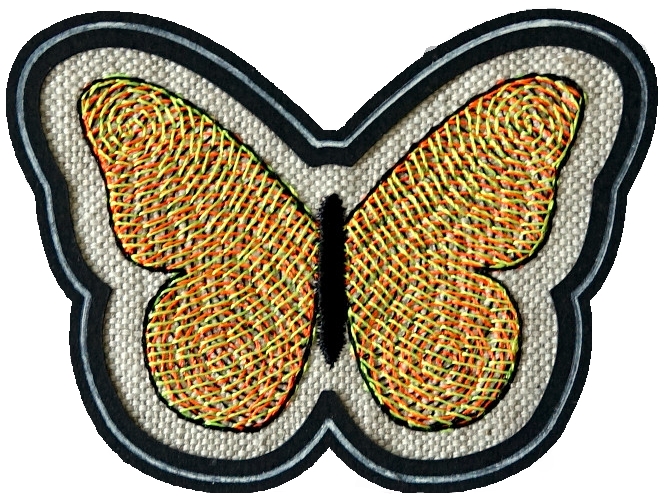
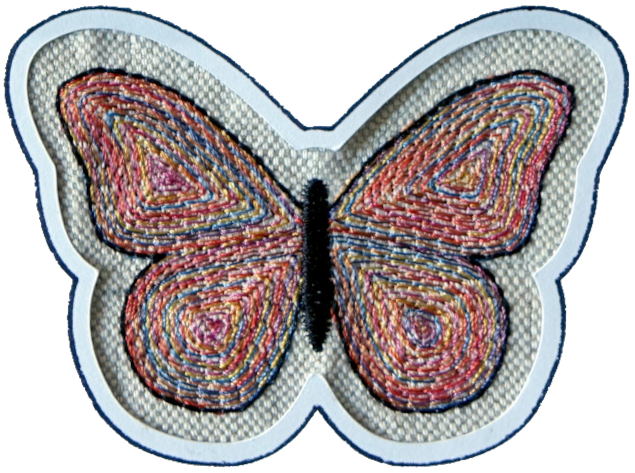
Circular fill creates an embroidered spiral that fills a shape, with the spiral center placed at a target point or the center of the shape.
Contour Fill
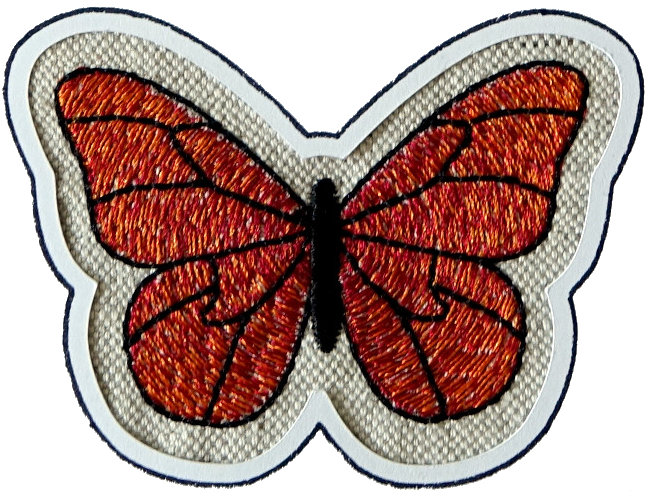
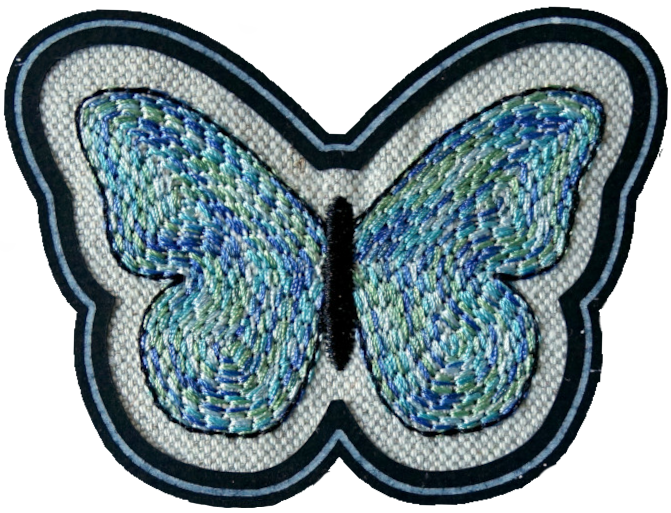
Contour fill creates stitches that follow the contour of a shape as the fill progresses through the area.
Cross Stitch
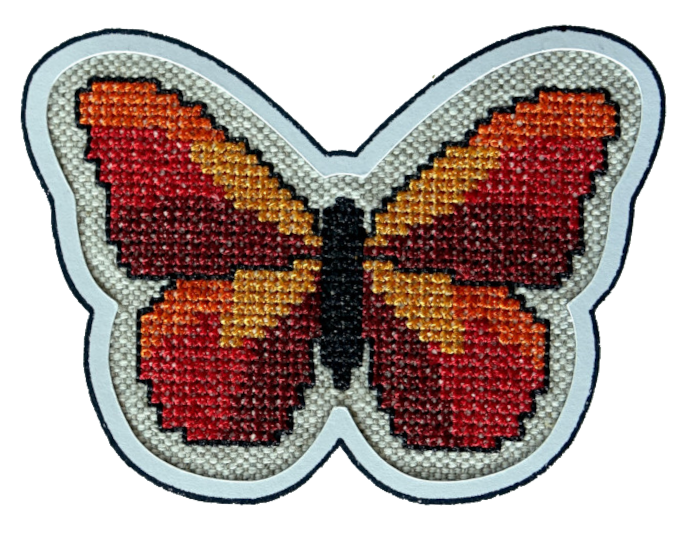
Cross stitch mimics traditional hand embroidery techniques. Cross-stitch is characterized by small, even crosses, which give the embroidered image a flat, blockish look.
Guided Fill
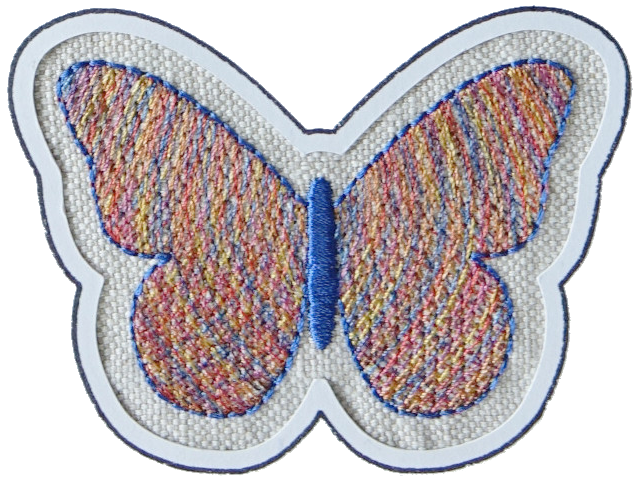
Guided fill creates stitches by using a guide line to control stitch direction.
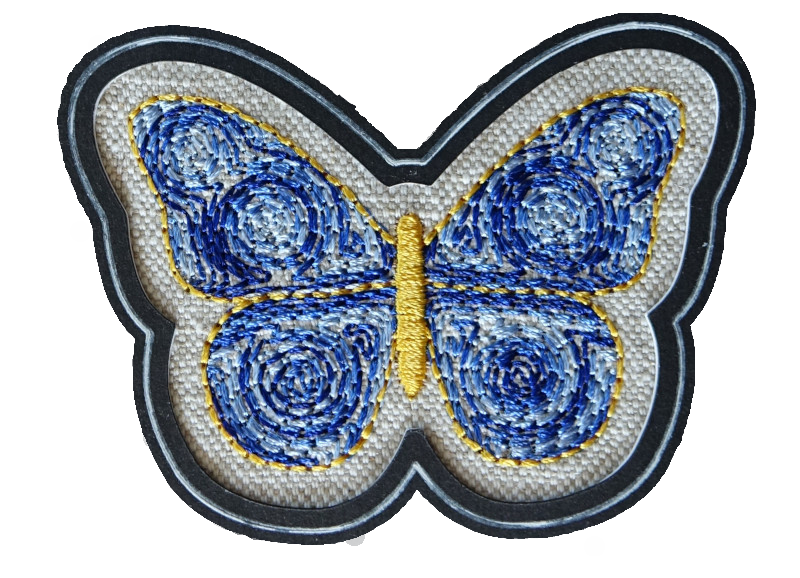
Linear Gradient Fill
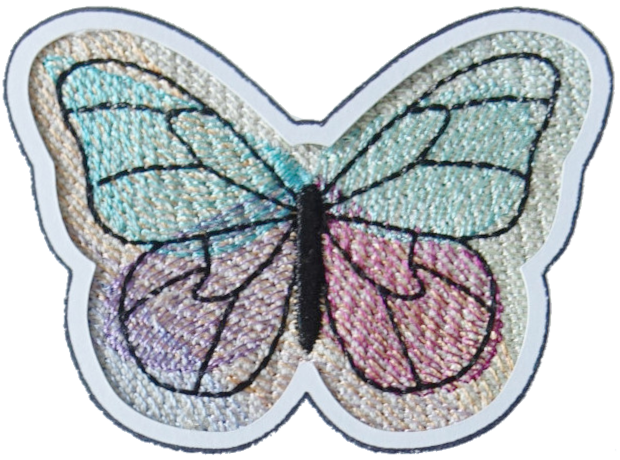
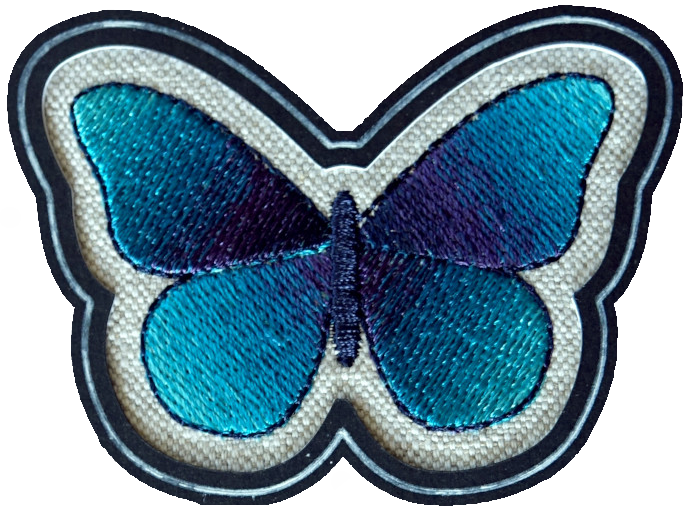
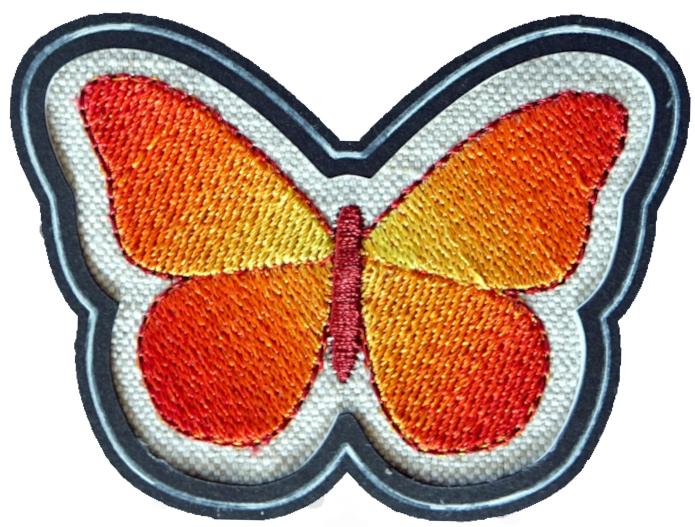
Linear gradient fill creates a gradient like transition by using an Inkscape linear gradient to vary the fill while keeping stitch placement consistent.
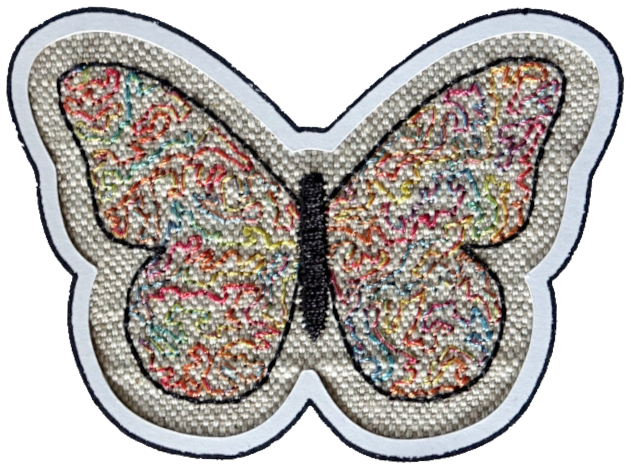
Meander Fill
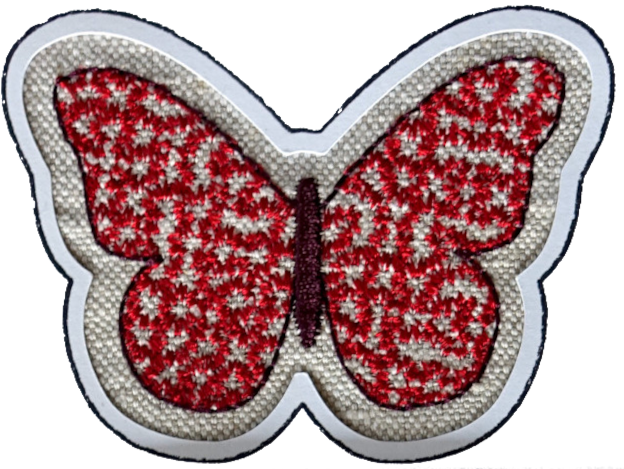
Meander fill creates a quilting style meandering pattern that covers large areas with a lighter, decorative texture.
Tartan Fill
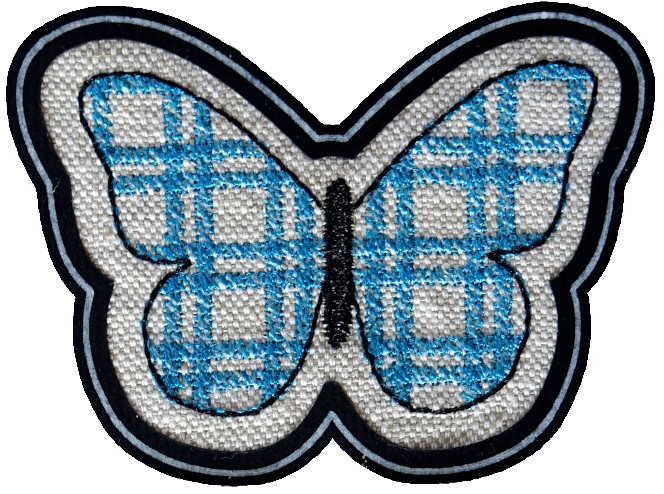
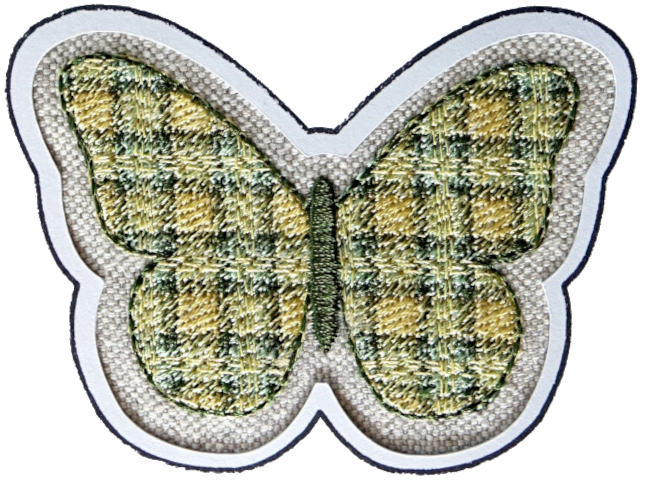
Tartan fill creates a woven look with horizontal and vertical stripes that mimic tartan fabric patterns.
Legacy Fill
Legacy fill creates a fill by splitting a shape into sections and stitching sections one by one, jumping directly between them.